
MedBodh India Public Health Update | Published: 28 October 2026 | Primary announcement: WHO India, 22 October 2026
India is accelerating the replacement of mercury-containing clinical thermometers and blood-pressure instruments, aiming to eliminate their use from health-care services by 2030. WHO India’s 22 October 2026 announcement describes progress in equipment inventories, state-level orders and safe mercury-waste management. For medical superintendents, nursing teams and pharmacists at Community Health Centres (CHCs), this is a practical procurement, infection-safety and hazardous-waste issue—not simply a switch from one BP machine to another.
What WHO India actually announced
WHO India reports that officials from the Ministry of Health and Family Welfare, the Ministry of Environment, Forest and Climate Change (MoEFCC), WHO, UNEP and other partners met in New Delhi on 28–30 September 2026. The technical mission reviewed progress towards the country’s mercury-free health-care goal. Its 22 October release reports the following:
| Reported indicator | WHO India position (22 Oct 2026) | Meaning for hospitals |
|---|---|---|
| National direction | Eliminate mercury-based medical thermometers and BP monitors from health-care services by 2030 | Plan a staged replacement, not an abrupt unplanned disposal |
| Inventories and assessments | 14 states have completed inventories and assessments | Facility-level device registers are a starting point |
| Phase-out orders | 12 states have issued orders | Check the current order applicable to your own state and facility |
| Training | 30 state-nominated nodal officers received online training | Designate trained facility staff and document responsibilities |
| Waste systems | Safe collection, temporary storage, transport and disposal systems are being developed for late 2027 | Coordinate with authorised local waste and environmental authorities |
WHO’s release also lists jurisdictions where mercury-based medical devices have been eliminated from public health services, including Delhi, Punjab, Manipur, Sikkim, Goa, Haryana, Ladakh, Chandigarh and the Andaman and Nicobar Islands. Do not infer from this list that every Indian district or private facility has already completed the transition. The release does not announce a new blanket enforcement date for every institution.
Why mercury-based devices present a health risk
Mercury-containing thermometers and sphygmomanometers are especially concerning when broken, damaged or improperly discarded. Elemental mercury can form vapour; inhalation can harm the nervous system, kidneys and lungs. Environmental releases may also contaminate water and food chains. Children and pregnant people warrant particular protection. An intact instrument does not automatically imply an acute exposure, but the risk of breakage and end-of-life disposal justifies replacement with suitable alternatives.
Which devices should a CHC procure instead?
| Legacy device | Mercury-free alternative | Essential quality check |
|---|---|---|
| Glass mercury fever thermometer | Appropriate clinical digital thermometer | Correct measurement site, manufacturer instructions, battery and accuracy checks |
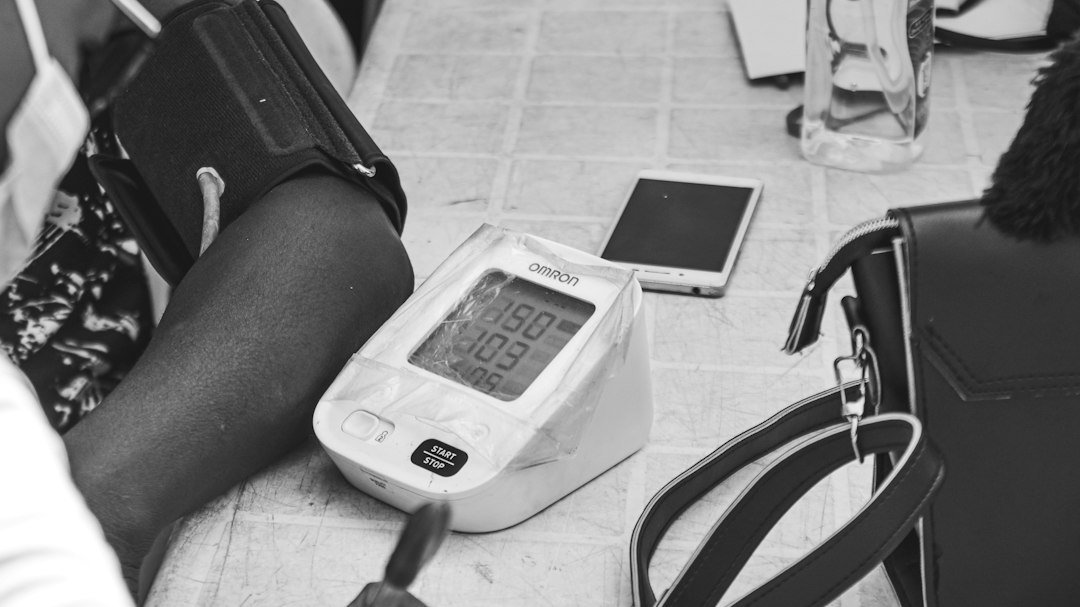
| Mercury column sphygmomanometer | Clinically validated automated upper-arm BP monitor | Correct cuff sizes, validation for intended population and regular checks |
| Mercury column BP apparatus where manual measurement is needed | Quality aneroid sphygmomanometer | Staff auscultation technique, calibration, maintenance and leak checks |
Important: “Digital” does not automatically mean “accurate.” Procurement should prioritise validated devices, appropriate cuff sizes, trained users, replacement batteries and an agreed calibration/maintenance schedule. For a reading that conflicts with clinical findings, repeat it using correct technique and a suitable validated device. WHO’s technical guidance specifically addresses maintaining clinical accuracy while substituting mercury-free instruments.
Seven-step CHC and PHC implementation checklist
- Map equipment by room: OPD, emergency, labour room, wards, outreach kits, laboratory, stores and subcentres. Count working, damaged and stored mercury-containing devices.
- Prepare a signed inventory: Record instrument type, location, condition, responsible unit, replacement requirement and date of review.
- Stop avoidable new procurement: Follow applicable state orders and current procurement rules; prioritise reliable mercury-free devices.
- Plan staged replacement: Match equipment to service need; ensure functioning alternatives before removing essential BP or temperature-measurement capacity.
- Train staff: Demonstrate proper BP measurement, cuff selection, device checks and mercury spill precautions to clinical and housekeeping teams.
- Secure legacy stock: Prevent breakage, segregate suspected mercury-containing waste, label it and arrange authorised hazardous-waste handling under applicable local rules. Do not put mercury into general bins or ordinary biomedical waste streams.
- Review monthly: Record replacements completed, pending equipment, device failures, spill incidents, staff training and disposal handover documentation.
What to do if a mercury thermometer breaks
Immediately restrict access and notify the designated safety/biomedical-waste officer. Keep patients and untrained staff away, prevent tracking of droplets and ventilate safely to the outdoors when feasible. Never use a vacuum cleaner, broom or drain to remove mercury: these actions can disperse vapour, droplets or contamination. Do not handle mercury with bare hands or mix it with general waste. Use the facility’s approved mercury-spill protocol and trained personnel with suitable protective equipment; larger spills, contaminated porous materials or uncertain exposure warrant specialist environmental assistance. Record the incident and follow authorised hazardous-waste disposal arrangements.
The US Environmental Protection Agency publishes detailed instructions for a small broken-thermometer spill; those instructions are not a substitute for local hospital SOPs, especially for larger spills or high-risk environments. The Indian IPHS district-hospital guidance also specifically addresses segregation, personal protective equipment, mercury spill registers and safe disposal.
How this relates to IPHS, NQAS and Kayakalp
WHO India’s January 2026 background feature notes that mercury-free equipment requirements have been integrated into Indian Public Health Standards (IPHS) and quality frameworks, including NQAS and Kayakalp. For CHCs, a documented equipment register, calibrated alternatives, staff orientation and waste-handling evidence are sensible quality-improvement outputs. They do not replace checking the latest applicable IPHS standards, state instructions and assessment checklists.
Frequently asked questions
Is a mercury BP instrument already banned everywhere in India?
The 22 October WHO release describes a 2030 health-service elimination goal and state-level progress. It does not establish that every facility is subject to the same newly announced immediate ban. Verify local rules before making a legal compliance claim.
Should a CHC throw away old mercury instruments immediately?
No. Unplanned disposal risks releasing hazardous mercury. Arrange secure storage and an authorised disposal route while maintaining patient-care capacity with appropriate replacement instruments.
Can any low-cost digital BP machine replace a mercury sphygmomanometer?
No. Use a suitable validated device, appropriate cuff, maintenance and staff training. The clinical technique and instrument quality remain critical.
Primary references and further reading
- WHO India, 22 October 2026: Push to eliminate mercury-based devices in health care — main source for dates, counts and 2030 direction.
- WHO India, 7 January 2026: India’s mercury-free medical-device transition — policy and quality-framework background.
- WHO technical guidance: Replacement of mercury thermometers and sphygmomanometers — device selection and clinical utility.
- US EPA: What to do if a mercury thermometer breaks — spill precautions (adapt to local procedures).
- Government of India/NHM: IPHS District Hospital Guidelines, Annexure II B — historical Indian mercury-waste guidance; check current rules.
MedBodh editorial review: 28 October 2026. For health-care administrators and clinicians. No facility-specific compliance determination is made; current state government and authorised waste-management directions take precedence.