
WHO South-East Asia Responsible AI Initiative: What Healthcare Teams Should Know

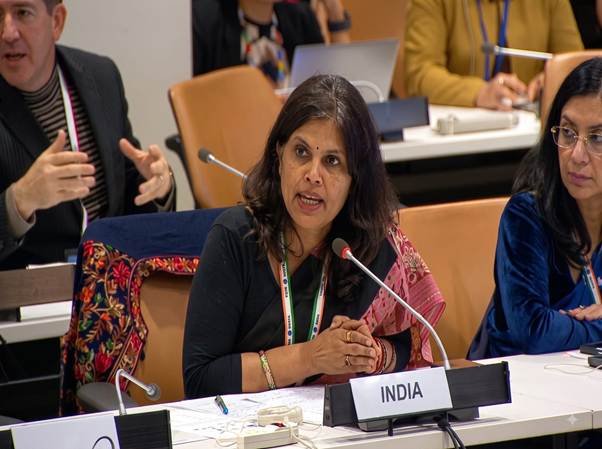
WHO South-East Asia reported a collaboration with LEHS through its Wadhwani AI programme focused on responsible design, evaluation and use of artifici
WHO South-East Asia reported a collaboration with LEHS through its Wadhwani AI programme focused on responsible design, evaluation and use of artifici

India’s national telemedicine service eSanjeevani has crossed 50 crore teleconsultations, marking a major expansion of digital access to healthcare.
MoHFW’s national PC&PNDT workshop brought all States and UTs together to strengthen compliance, digital governance and action against sex selection.
WHO’s new mass-gathering heat package combines evidence reviews, implementation guidance and a structured risk-assessment tool for event planners and health authorities.

Official Uttarakhand telemedicine explainer covering eSanjeevani access, referral workflow, limitations and safety escalation.
A practical PMHS explainer of Uttarakhand’s State Government Health Scheme, eligibility checks, cashless access and documentation.
WHO’s 25 September 2026 update on the UNGA pandemic preparedness declaration, key commitments, limitations and practical implications.
Arogya Manthan 2026 में National Healthcare Providers Registry app, Secure Data Environment और AB PM-JAY auto-adjudication framework सहित नई digital-health initiatives शुरू की गईं।
WHO expanded its medical-device prequalification programme on 25 September 2026 to include condoms, IUDs and computer-aided TB screening software. Here is what changes—and what prequalification does not mean.
FDA has approved zilganersen as the first treatment for Alexander disease. Review the mechanism, trial evidence, safety signals and important limitations.