
Public-health update | 1 November 2026. On 29 October 2026, the World Health Organization reported on its sixth Executive Leadership Programme for Tobacco Control, held at the WHO Academy in Lyon, France, on 29–30 September. The programme brought WHO representatives and heads of country offices from 13 countries together to strengthen policy leadership. This is a capacity-building update, not a newly issued clinical treatment guideline.
What WHO emphasized
The programme focused on translating tobacco-control commitments into country-level action. Topics included tobacco taxation, new and emerging tobacco and nicotine products, enforcement of existing rules, tobacco-industry interference, negotiation, communication and partnerships across institutions.
WHO emphasized that effective tobacco control requires leadership and coordination in addition to technical knowledge. Health services, local authorities, schools, regulators and communities have complementary responsibilities.
Why this matters in India
At the primary-care level, tobacco exposure affects respiratory, cardiovascular, cancer and oral-health risk. Smokeless tobacco is especially important to address alongside smoked products. A tobacco-use history should not stop at the question “Do you smoke?”
Practical CHC and OPD workflow
- Ask routinely: document cigarettes, bidis, hookah, smokeless tobacco and nicotine-product use where relevant, including frequency and dependence indicators.
- Advise clearly: provide brief, nonjudgmental advice that stopping tobacco use improves health, and link advice to the patient’s immediate concerns.
- Assess readiness: determine whether the person is prepared to attempt cessation now; offer follow-up rather than treating one refusal as final.
- Assist or refer: provide locally approved cessation counselling, behavioural support and treatment according to applicable national protocols and clinical eligibility.
- Arrange follow-up: revisit tobacco status, withdrawal symptoms and relapse prevention at subsequent contacts.
High-yield clinical opportunities
Oral ulcers or suspicious mucosal lesions require appropriate examination and referral, not reassurance based only on tobacco history. In patients with COPD, asthma, hypertension, pregnancy or diabetes, cessation counselling should be integrated with disease management. Household second-hand exposure should also be addressed, especially around children and pregnant women.
Policy and community action
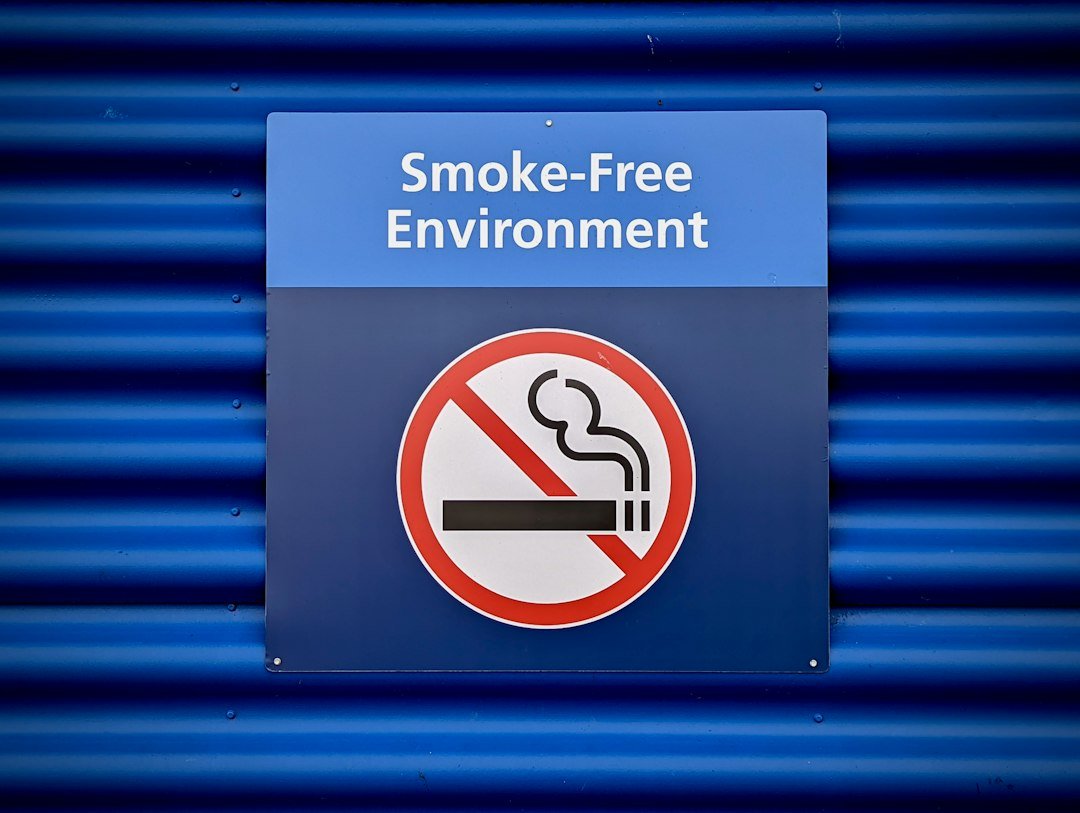
Facilities can display no-tobacco messages, maintain smoke-free environments, train frontline staff in brief advice, and coordinate with district tobacco-control activities. Enforcement and taxation are population-level interventions; an individual clinician’s role is to identify use, counsel and connect patients to support.
What this WHO update does not say
It does not announce a new Indian tobacco law, a new nicotine-product ban, or a new pharmacological cessation regimen. Any such claims require a separate Indian government notification. Similarly, a leadership training event should not be misrepresented as evidence that tobacco prevalence has fallen.
Primary sources
MedBodh takeaway: sustained screening, brief advice, follow-up and referral are actionable steps for primary-care teams while broader tobacco-control policies require multisectoral leadership.