
MedBodh verified update | 2 November 2026. This original explainer distinguishes official announcements from clinical interpretation and unverified operational details.
The official announcement
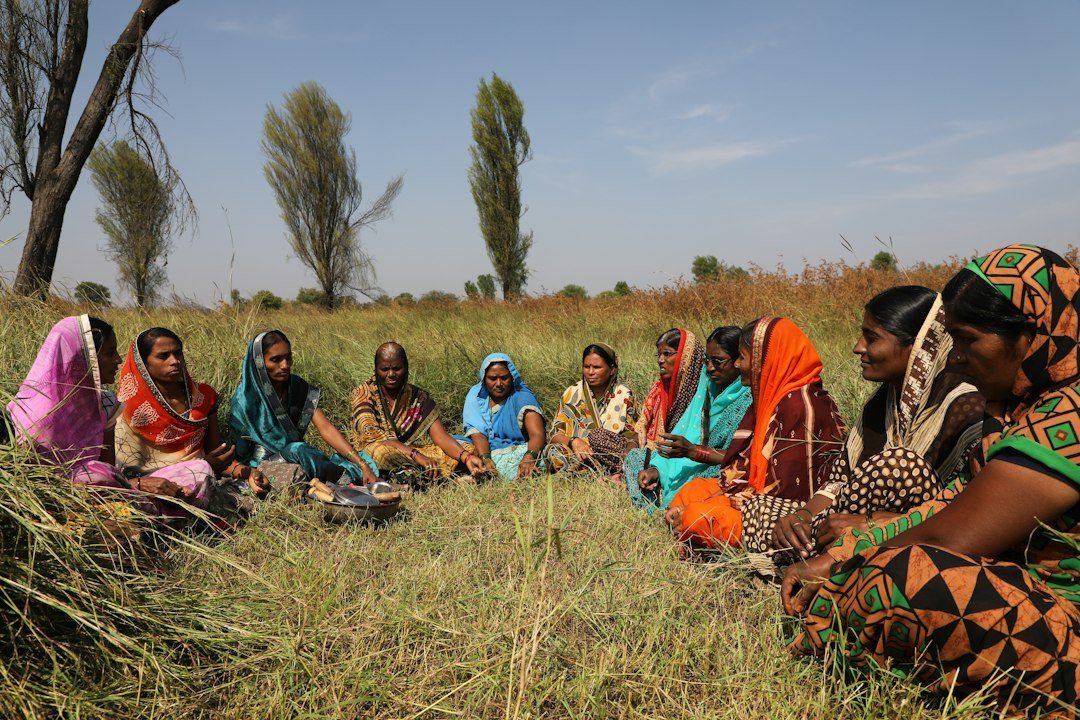
The Ministry of Tribal Affairs, working with ICMR–National Institute of Health Research (NIHR), Bhubaneswar, organised a National Orientation Programme for Tribal Healers on Public Health on 1–2 November 2026 at Kanha Shanti Vanam, Hyderabad. The government described it as the first such national orientation under the Janjatiya Health Institutional Transformation (JanHIT) initiative.
Who participated?
The first phase involved around 550 tribal healers nominated by state tribal welfare departments from nine states and union territories. Participants came from Andhra Pradesh, Goa, Karnataka, Kerala, Maharashtra, Odisha, Tamil Nadu, Telangana and Dadra and Nagar Haveli. Training was organised in regional languages. These figures describe programme participation, not certification to practise modern medicine.
Three public-health training modules
According to the official release, sessions addressed communicable and vector-borne diseases, skin conditions, noncommunicable and metabolic disorders, blood and liver conditions, and mental health. They also covered identifying when to refer snakebite, scorpion stings, animal bites, injuries, eye and ear problems, oral conditions and newborn or infant illnesses. Integrated practice, assessment and feedback were planned to reinforce recognition of danger signs.
Why early referral is the key outcome
In remote communities, a trusted local healer may be the first person consulted. A referral-oriented training programme can potentially shorten delays in seeking qualified care. The appropriate goal is recognition of serious illness, rapid transport and communication with formal services—not substitution of unvalidated remedies for evidence-based emergency treatment. Outcomes such as referral completion, time to treatment and patient safety should be measured rather than assumed.
Snakebite and maternal-child red flags
Community responders should treat suspected snakebite, progressive swelling, ptosis, breathing difficulty, altered consciousness or abnormal bleeding as urgent referral indications. Infants with poor feeding, lethargy, respiratory distress, convulsions or dehydration also require prompt assessment. These are recognition cues, not permission for untrained personnel to administer antivenom or other high-risk medicines. Facility protocols and trained clinicians govern definitive care.
What CHCs and primary care teams can do
Maintain a clear referral phone number, ambulance pathway and handover format. Offer respectful community engagement, document presenting symptoms and time of onset, and give feedback to referring community workers. Support immunisation, antenatal care, TB testing and chronic-disease follow-up through accredited programmes. Avoid implying that participation in this orientation confers a medical qualification or statutory prescribing authority.
Limits and next steps
The announcement establishes programme design and attendance, not proven reductions in mortality, snakebite complications or delays. Independent evaluation of clinical outcomes and culturally appropriate communication will be important.
Primary source and editorial verification
Read the official source (Press Information Bureau, Government of India). Information checked on 2 November 2026. This article is educational and does not replace patient-specific clinical decisions or the latest official corrigenda.