MEDITECH CLINICAL • FOUNDATION MODULE 01
ABCDE Primary Survey & SAMPLE History
A complete learning module for first-contact assessment of the acutely ill or injured patient—built from the WHO–ICRC Basic Emergency Care framework.
For clinical learning only. This module explains a structured assessment method. It does not replace immediate patient assessment, local emergency protocols, supervision, transfer arrangements or current authoritative guidance. Do not use this page as a standalone prescribing or procedure guide.
AirwayCan the patient speak? Is the airway open and protected?
BreathingObserve effort, chest movement and adequacy of breathing.
CirculationLook for bleeding and signs of inadequate perfusion.
DisabilityCheck consciousness and consider urgent reversible causes.
ExposureExamine appropriately; preserve dignity and prevent heat loss.
Use it as a loop: identify the highest priority threat, act and escalate under local protocol, then return to ABCDE and reassess.
What you will be able to do
01 • PRIORITISEIdentify which problem must be addressed first.
02 • ASSESSUse ABCDE as a repeatable primary-survey sequence.
03 • QUESTIONUse SAMPLE after immediate threats are addressed.
04 • REASSESSRecognise that deterioration changes priorities.
05 • ESCALATEPlan early handover, referral and transport support.
06 • DOCUMENTCommunicate key findings and actions clearly.
Web slides: the complete approach
SLIDE 1 • THE MINDSETABCDE is not a diagnosis list
It is a prioritisation framework. Work from immediately life-threatening problems to the next priority. If a serious issue appears at any stage, address and escalate according to the current local protocol, then return to the sequence and reassess.
SLIDE 2 • A — AIRWAYAsk: Is the airway open and at risk of closing?
- Look for limited air movement, inability to speak normally, gurgling, drooling, stridor, visible foreign material or facial/neck trauma.
- Trauma changes the approach: protect the cervical spine and use local trauma pathways.
- Repeatedly reassess because airway swelling or a falling level of consciousness can change the situation quickly.
SLIDE 3 • B — BREATHINGAsk: Is ventilation and oxygenation adequate?
- Observe respiratory effort, chest movement, breath sounds, colour, ability to speak and change from the patient’s baseline.
- Do not anchor on a single diagnosis: abnormal breathing can occur with airway obstruction, pulmonary disease, trauma, shock, poisoning or metabolic illness.
- Any worsening distress, cyanosis, reduced consciousness or inadequate breathing needs urgent senior/local emergency escalation.
SLIDE 4 • C — CIRCULATIONAsk: Is perfusion adequate and is bleeding controlled?
- Look for signs of poor perfusion, external bleeding, abnormal pulse character, altered mental status and clinical features consistent with shock.
- Think of causes broadly: bleeding, infection, dehydration, cardiac causes, obstructive causes, allergic reaction and metabolic illness.
- Control visible external bleeding and organise appropriate monitoring and escalation under the relevant local protocol.
SLIDE 5 • D — DISABILITYAsk: Has neurological status changed?
- Use a simple, reproducible consciousness assessment such as AVPU where appropriate, and document change over time.
- Consider reversible or urgent causes in the clinical context: hypoglycaemia, seizure, head injury, poisoning, infection, hypoxia and metabolic disease.
- Always revisit airway and breathing in a patient with altered mental status.
SLIDE 6 • E — EXPOSURE / EXAMINATIONAsk: What could be missed if the whole patient is not examined?
- Perform a focused but complete exposure/examination appropriate to the setting and presentation.
- In trauma, actively consider hidden injury; in all patients, preserve dignity and prevent heat loss.
- Remove wet or constricting items when clinically appropriate, and protect privacy and temperature.
SLIDE 7 • SAMPLE HISTORYOnly after immediate threats are addressed
Signs and symptoms • Allergies • Medications • Past medical history • Last oral intake • Events leading to the illness or injury.
SAMPLE does not replace the primary survey. It improves context, differential diagnosis, safety checks and handover quality once the patient is stabilised enough for history taking.
SLIDE 8 • REASSESSMENT & HANDOVERThe assessment is a loop, not a one-time event
- Repeat ABCDE after any clinical change, intervention, transfer delay or deterioration.
- Escalate early when abnormal ABCDE findings persist, recur or require ongoing support.
- Use a structured handover. WHO’s BEC material includes an SBAR job aid for Situation, Background, Assessment and Recommendation.
Special considerations
Trauma
- Assume significant mechanism may hide injury even when external findings appear limited.
- Protect the cervical spine when clinically indicated and use the trauma pathway.
- Plan handover/transfer early if any ABCDE finding is abnormal or intervention is required.
Children
- Children may deteriorate despite limited initial external signs.
- Look carefully for increased work of breathing, altered responsiveness, poor feeding/drinking, seizures, cyanosis and temperature problems.
- Use paediatric-specific local protocols and seek help early.
Case-based practice
CASE 01 • TRAUMA
Motorcycle crash, speaking only in short phrases
Begin with the complete ABCDE approach. Do not jump straight to a presumed chest diagnosis; assess airway, breathing adequacy, circulation, neurological status and exposure, while considering trauma and early transfer needs.
CASE 02 • CHILD
Child with fast breathing, lethargy and poor intake
Use ABCDE first. The combination of respiratory concern, reduced responsiveness and poor feeding is a reason for urgent assessment and escalation through the paediatric emergency pathway.
Rapid-revision flashcards
What is the purpose of ABCDE?
To identify and prioritise immediate threats systematically, intervene/escalate according to protocol, then reassess.
When should SAMPLE history begin?
After immediate life-threatening problems in the primary survey have been addressed or are being actively managed.
Why reassess ABCDE?
A patient can deteriorate, and the highest priority problem can change after time, intervention or transfer.
What is the key trauma reminder?
Consider hidden injury and use appropriate cervical-spine and transfer precautions under the local trauma pathway.
What does AVPU help communicate?
A simple description of consciousness level and change over time; use local clinical documentation standards.
Self-test: 5 MCQs
1. ABCDE is best understood as:
Answer: A prioritised primary-survey framework, not a list of final diagnoses.
2. A patient develops worsening altered mental status during assessment. What is the safest next principle?
Answer: Revisit airway and breathing, reassess the full ABCDE sequence and escalate via the appropriate emergency pathway.
3. When is SAMPLE history most useful?
Answer: After immediate threats are addressed, to add clinical context and support safer communication and decision-making.
4. Why is exposure part of the primary survey?
Answer: It helps identify important clues or hidden injury while maintaining dignity and preventing heat loss.
5. What is a core transfer principle from the WHO BEC approach?
Answer: Patients with abnormal ABCDE findings may need rapid handover/transfer; plan early and communicate clearly.

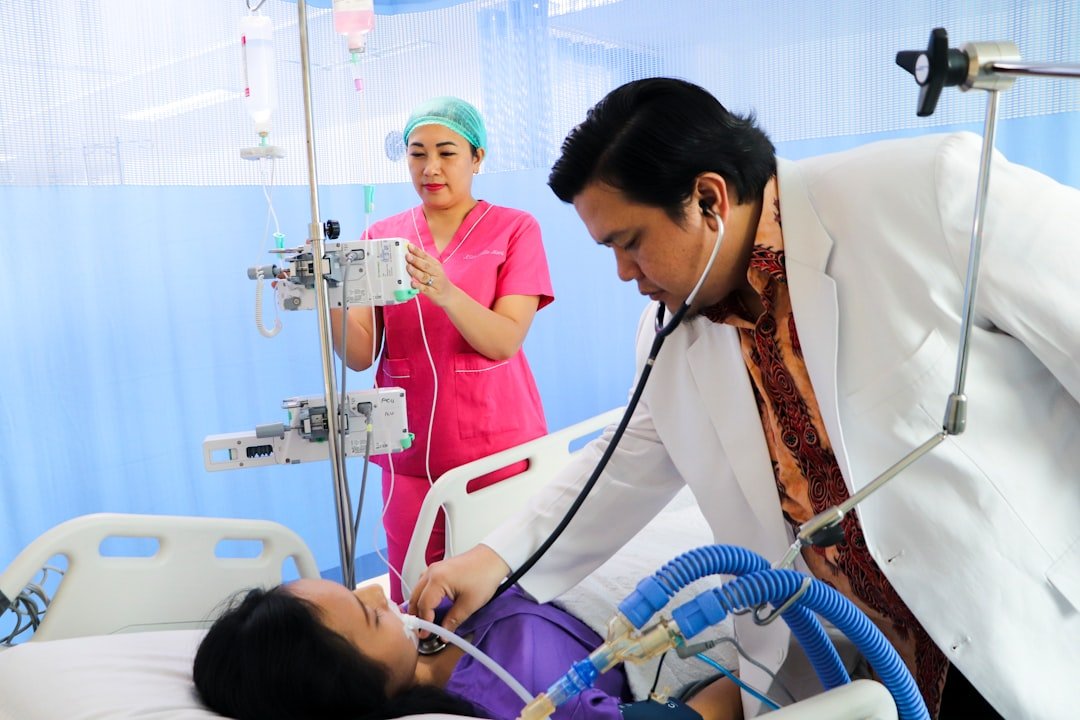 Assess • intervene • reassess