
MedBodh verified update | 2 November 2026. This original explainer distinguishes official announcements from clinical interpretation and unverified operational details.
What happened on 2 November 2026?
India’s Ministry of Health and Family Welfare announced that Union Health Minister J. P. Nadda inaugurated the Advanced Radiotherapy Facility at AIIMS Rajkot on 2 November 2026. The official PIB release describes an investment of approximately ₹39 crore under the Pradhan Mantri Swasthya Suraksha Yojana (PMSSY). This is a new regional service-access announcement, not the approval of a new anticancer drug or a new clinical treatment guideline.
Why this matters for patients
Patients in Saurashtra and Kutch have often needed referrals to larger urban centres for advanced radiotherapy. The release describes a catchment area of approximately 1.54 crore people. Reduced travel may improve continuity of treatment, but actual waiting times, appointment availability and individual eligibility must be checked directly with the hospital. The facility complements surgery, systemic anticancer therapy and palliative care rather than replacing multidisciplinary treatment planning.
What equipment was reported?
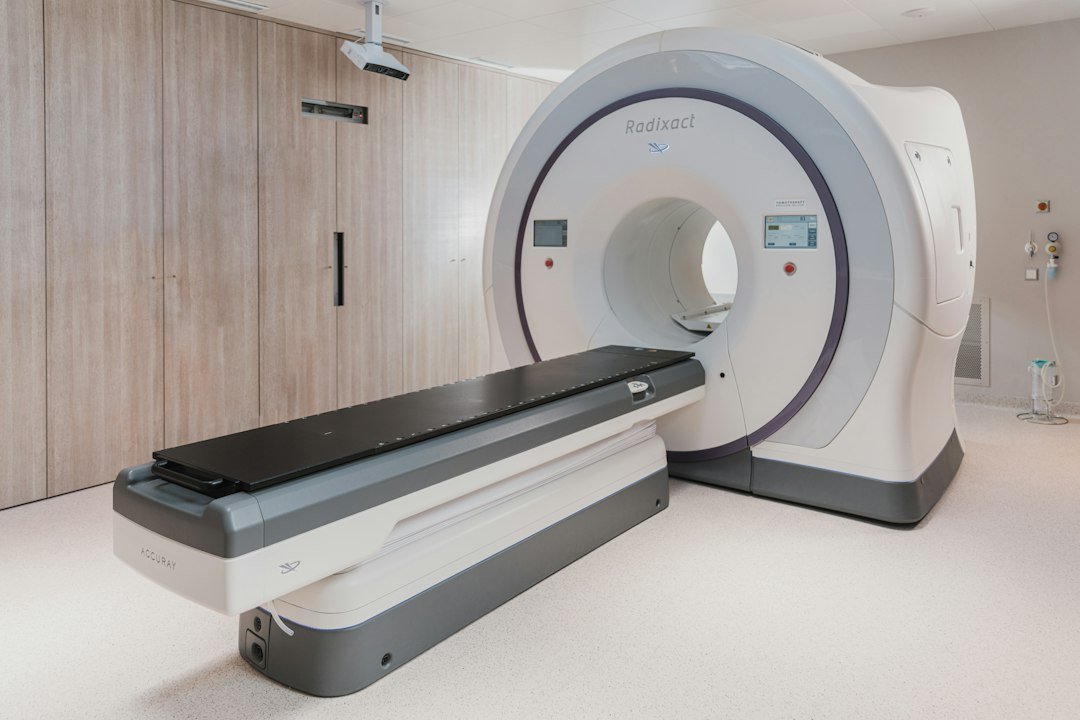
The government describes a high-energy linear accelerator (LINAC), wide-bore CT simulator and high-dose-rate (HDR) brachytherapy unit. A LINAC produces radiation beams for external-beam treatment. The CT simulator helps the radiation-oncology team map the treatment position and delineate targets and organs at risk. HDR brachytherapy places a radiation source close to or within the treatment region using specialist applicators. These are different technologies with different indications and safety workflows.
IMRT, VMAT, IGRT and stereotactic treatment: a clinical explainer
The release lists intensity-modulated radiotherapy (IMRT), volumetric-modulated arc therapy (VMAT), image-guided radiotherapy (IGRT), stereotactic radiosurgery (SRS), stereotactic radiotherapy (SRT) and stereotactic body radiotherapy (SBRT). IMRT and VMAT shape dose delivery; IGRT uses imaging to verify positioning; stereotactic techniques use precise planning and immobilisation in selected cases. Availability of a technique does not establish suitability for every cancer. A radiation oncologist selects treatment according to tumour type, stage, prior irradiation, patient status and normal-tissue constraints.
Services, access and financial claims
The PIB statement says the department has provided radiotherapy and chemotherapy services since 29 May 2026 and anticipates initially managing around 500–700 cases annually. It also says eligible Ayushman Bharat PM-JAY beneficiaries can access covered treatment without payment while other patients may receive subsidised services. Coverage is subject to scheme eligibility, package and institutional verification; it must not be interpreted as universal free treatment.
Practical referral checklist for CHC and district hospitals
Document pathology and stage where available; send imaging and previous treatment summaries; flag emergency symptoms such as spinal cord compression, superior vena cava obstruction, uncontrolled bleeding or severe pain for urgent specialist assessment. Coordinate nutrition, pain control and transport support. Do not delay time-sensitive referral while awaiting nonessential tests. The oncology team should confirm modality, fractionation, consent and follow-up.
What remains unverified
This report does not independently confirm live appointment slots, equipment commissioning certificates, a current patient tariff or actual treatment throughput. The facility is reported by the Ministry; readers should contact AIIMS Rajkot for operational details.
Primary source and editorial verification
Read the official source (Press Information Bureau, Government of India). Information checked on 2 November 2026. This article is educational and does not replace patient-specific clinical decisions or the latest official corrigenda.