
Coverage update: 19 September 2026
Admission, transfer between units and discharge are high-risk points for medication discrepancies. A reliable process aims to establish the best possible medication history, compare it with current orders and communicate intentional changes.
Step 1: Build the best possible history
Use more than one information source when available: patient or caregiver interview, prescriptions, medicine strips, pharmacy records, previous discharge summaries and electronic records.
Step 2: Reconcile deliberately
Compare pre-admission medicines with the new orders. For each difference, determine whether it is intentional, clinically justified and documented. Pay particular attention to anticoagulants, insulin, opioids, antiepileptics, steroids and medicines with renal implications.
Step 3: Communicate changes
At transfer or discharge, provide an updated list that clearly identifies medicines started, stopped, continued or changed, together with the reason when clinically relevant. Verify that the patient or caregiver understands the plan.
Common failure points
- Brand/generic duplication
- Omitted long-term medicine
- Wrong strength or formulation
- Renal-function change not considered
- Temporary inpatient medicine unintentionally continued
Limitations
This checklist supports a system; it does not replace medication-specific prescribing information, pharmacist review or local hospital policy.
Source
Related articles
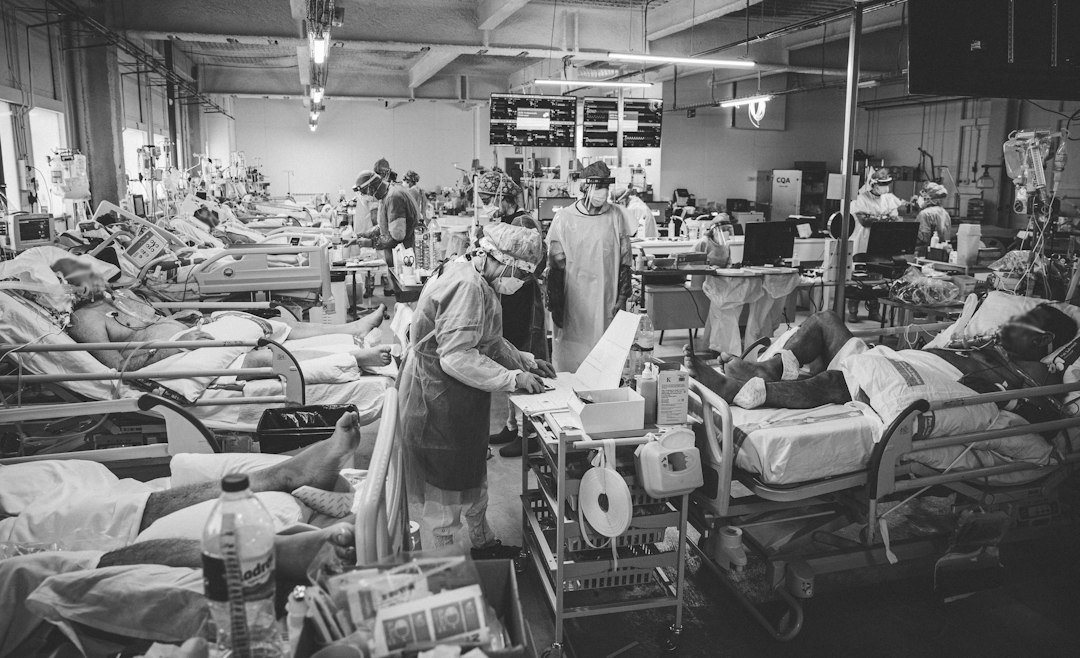
Featured image: Jannes Jacobs via Unsplash.
Last reviewed: 19 September 2026
Medical disclaimer: This article is for professional education and news interpretation only. It does not replace patient-specific assessment, local protocols, prescribing information or specialist advice.