
At a Glance
Worked Concentration Example
If a medicine is labelled 100 mg in 5 mL, the concentration is 20 mg/mL. A prescribed 60 mg dose mathematically corresponds to 3 mL. This is a calculation demonstration, not a prescribing recommendation; verify the actual medicine, formulation, indication and maximum dose before administration.
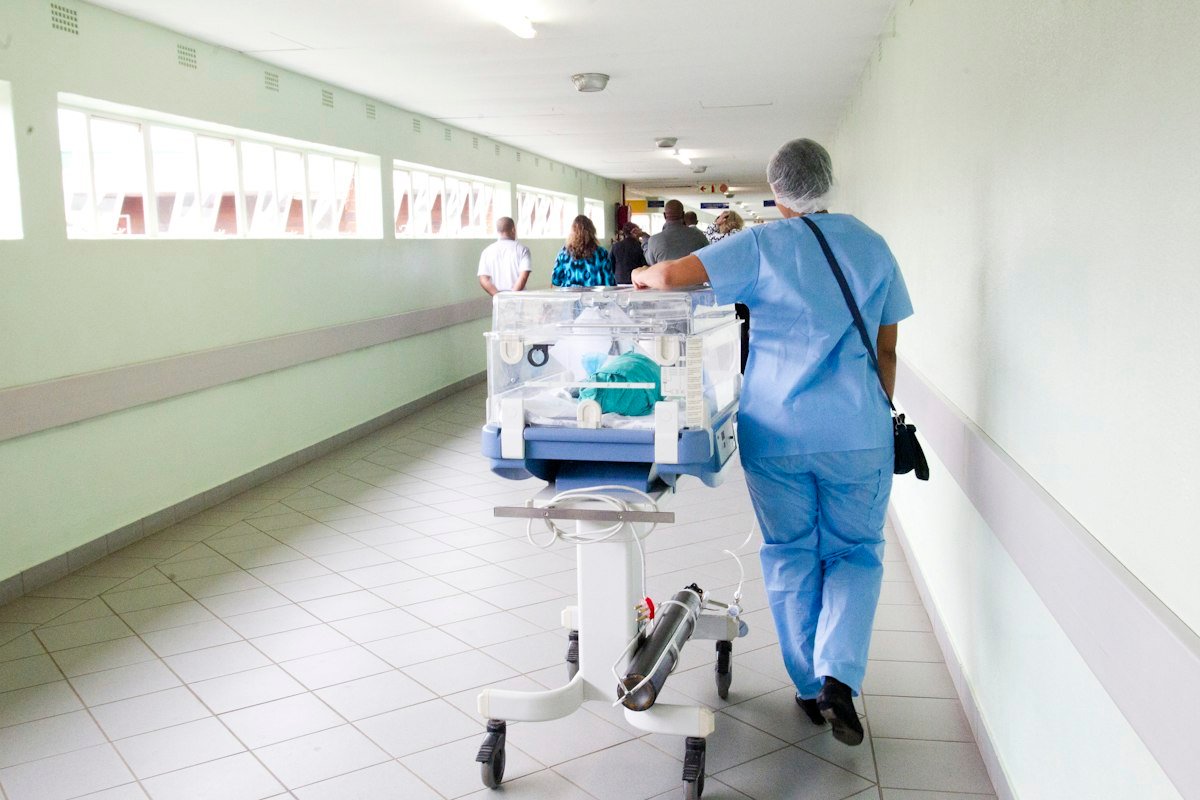
Paediatric medication preparation carries special risk when doses are calculated in mg/kg and formulations have different strengths. Always verify the child’s current weight in kilograms, indication, prescribed frequency and maximum dose.
Safety Workflow
Write the dose in mg, identify the actual concentration in mg/mL, calculate the volume in mL, and independently check decimal placement. Use an oral syringe for liquid oral medicines and an appropriate calibrated device for injections. Never assume that two products with the same generic name have the same concentration.
High-Risk Errors
Confusing pounds with kilograms, missing decimal points, confusing mg with mL, failing to adjust for renal impairment and using adult concentrations without verification can cause serious harm. For neonates and critically ill children, use validated local paediatric or neonatal protocols and pharmacist review.
References
WHO Medication Without Harm; ISMP Medication Safety.
MedBodh professional educational material. Apply current national and local protocols.