
Coverage update: 17 September 2026
A 2026 study in Nature Medicine examined histological ageing patterns across human tissues and integrated those findings with molecular, demographic and clinical data. The work aims to describe how biological ageing can differ between organs and between individuals.
What the researchers did
The investigators analysed tissue histology and linked it with transcriptomic and participant-level information, including data derived from the GTEx resource. They developed models intended to characterise tissue-specific age acceleration and explored whether information from blood could help predict tissue age gaps.
Why it is interesting
Chronological age does not capture all variation in organ ageing. A reproducible tissue-specific measure could eventually support research into risk stratification, mechanisms and intervention studies.
Important limitations
- Association does not establish that a measured factor caused accelerated ageing.
- Post-mortem and selected research datasets may not represent routine clinical populations.
- A predictive model requires external validation before clinical use.
- The study does not establish a treatment that reverses organ ageing.
What remains uncertain
Prospective studies must determine whether these signatures predict outcomes beyond established clinical measures, whether they are modifiable and whether using them improves patient care.
Original source
Nature Medicine: Histological aging signatures for monitoring tissue-specific aging
Related articles
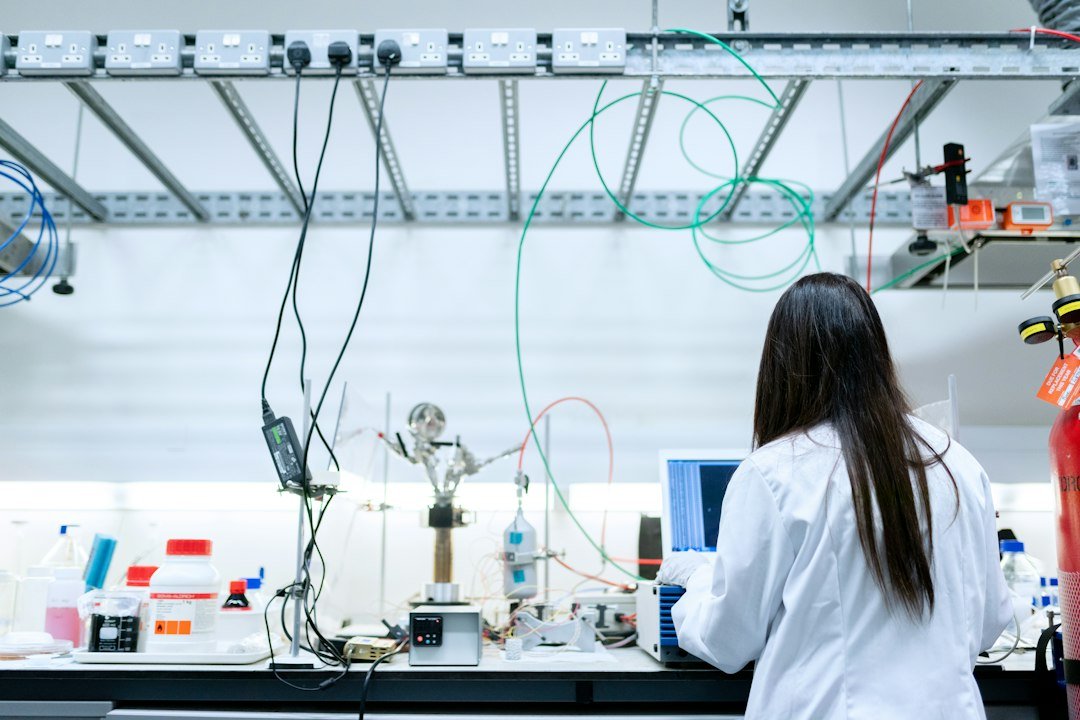
Featured image: ThisisEngineering via Unsplash.
Last reviewed: 19 September 2026
Medical disclaimer: This article is for professional education and news interpretation only. It does not replace patient-specific assessment, local protocols, prescribing information or specialist advice.