
MedBodh verified update | 2 November 2026. This original explainer distinguishes official announcements from clinical interpretation and unverified operational details.
WHO announcement and dates
WHO Africa announced on 2 November 2026 that Ethiopia will host the seventh Emergency Medical Teams (EMT) Global Meeting in Addis Ababa on 3–5 November. The meeting is expected to bring together more than 800 participants from over 100 countries and is the first such global meeting held in WHO’s African Region. Because the event begins on 3 November, this is a preview, not a report of completed meeting outcomes.
What is an Emergency Medical Team?
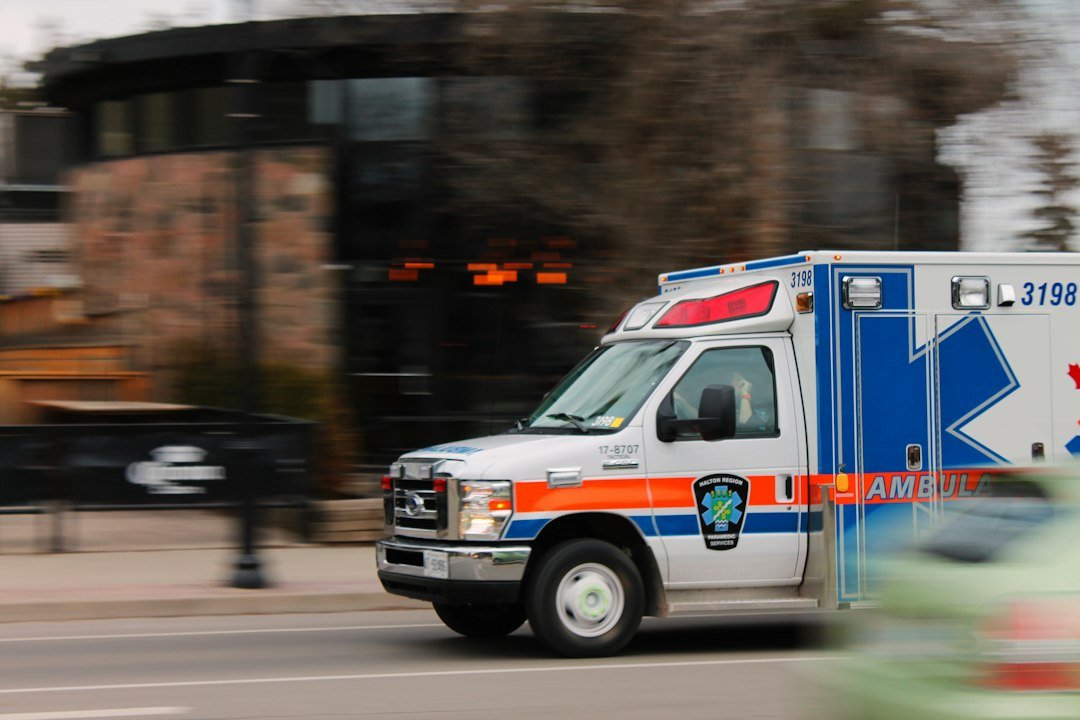
An EMT is a trained, equipped clinical team that can deliver emergency care during outbreaks, disasters, conflict and other crises. Teams work within national coordination structures and agreed quality standards. Effective deployment requires more than sending doctors: equipment, logistics, pharmacy, infection control, referral routes, documentation, staff safety and coordination all matter.
What will be discussed?
WHO says the agenda follows its EMT 2030 Strategy and focuses on sustainable financing, quality standards, operational readiness and international cooperation. The release notes Ethiopia’s national EMT achieved WHO international classification in September 2026 after assessment of clinical services, logistics and readiness. It also reports 30 African countries developing national EMT capacity.
What district hospitals can apply now
For a CHC or district hospital, the transferable principle is planned surge capacity. Map likely hazards—floods, mass casualties, outbreaks and transport interruptions. Identify who leads triage, who can be called in, where patients will be stabilised, how oxygen and essential medicines are replenished and how referrals are coordinated. Run tabletop drills and document lessons after each exercise.
Minimum operational checklist
Maintain an updated staff call tree, disaster triage area, referral contact list, oxygen and power backup check, critical-drug stock review, infection prevention supplies, safe waste flow, patient-identification process and shift handover procedure. Ensure ambulance routes and communication redundancies are tested. The checklist is an editorial adaptation, not a claim that WHO prescribed these exact local steps at the meeting.
Why governance matters
A deployed team must know its legal authority, scope of practice, clinical governance, incident-command reporting and mechanisms for continuity of local services. Releasing staff from routine duties without replacement may compromise essential care. Hospitals should align with applicable national and state disaster-management protocols.
Verification boundary
The meeting’s expected attendance and agenda are from WHO’s 2 November release. Any resolutions, new standards or country commitments announced after 3–5 November must be verified separately before reporting.
Primary source and editorial verification
Read the official source (World Health Organization). Information checked on 2 November 2026. This article is educational and does not replace patient-specific clinical decisions or the latest official corrigenda.